


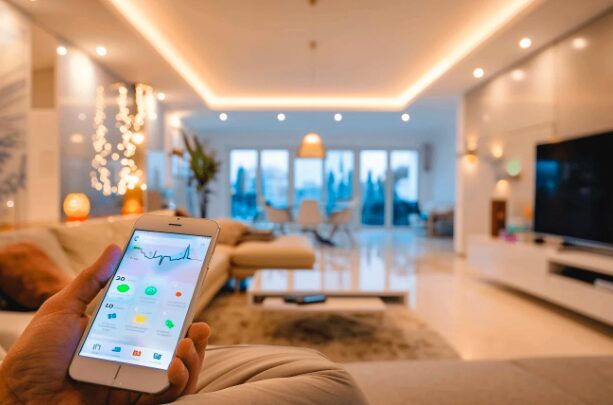
Smart technology is transforming modern homes by making everyday living more convenient, efficient, and secure. From voice-controlled assistants to smart lighting and security systems, homeowners now have access to advanced devices that simplify daily tasks and improve comfort. As technology continues to evolve, smart homes are becoming more common around the world, offering innovative solutions for energy management, home security, entertainment, and automation.
What Is Smart Home Technology?
Smart home technology refers to devices and systems connected through the internet that can be controlled remotely using smartphones, tablets, or voice assistants. These devices communicate with each other to automate household functions and improve convenience.
Common smart home technologies include:
- Smart lighting systems
- Smart thermostats
- Smart security cameras
- Voice assistants
- Smart appliances
- Automated door locks
These systems help homeowners manage their homes more efficiently.
Smart Lighting Improves Convenience
Smart lighting systems allow users to control lights remotely or through voice commands. Homeowners can adjust brightness, change colors, and schedule lighting automatically.
Benefits of Smart Lighting
- Reduced energy consumption
- Convenient remote control
- Automatic scheduling
- Improved home security while away
Smart lighting also helps create comfortable living environments with customizable settings.
Voice Assistants Simplify Daily Tasks
Voice-controlled assistants have become an important part of many smart homes. Devices powered by artificial intelligence can perform tasks through simple voice commands.
Common Uses of Voice Assistants
- Playing music
- Setting reminders and alarms
- Controlling smart devices
- Searching for information online
- Managing daily schedules
Voice assistants improve convenience and make home automation easier for users of all ages.
Smart Security Systems Enhance Home Protection
Home security technology has improved significantly with smart devices. Modern security systems allow homeowners to monitor their property remotely through mobile apps.
Features of Smart Security Systems
- Real-time security alerts
- Motion detection cameras
- Video doorbells
- Remote door locking
- Facial recognition technology
These systems help homeowners improve safety and monitor their homes from anywhere.
Smart Thermostats Increase Energy Efficiency
Smart thermostats automatically adjust home temperatures based on user preferences and daily routines. This technology helps reduce energy waste and lower electricity bills.
Advantages of Smart Thermostats
- Automatic temperature control
- Energy-saving features
- Remote access through mobile apps
- Personalized comfort settings
Energy-efficient smart homes are becoming increasingly popular as people focus on sustainability.
Smart Appliances Make Household Tasks Easier
Modern kitchens and laundry rooms now include smart appliances that improve efficiency and convenience.
Examples of Smart Appliances
- Smart refrigerators
- Wi-Fi-enabled washing machines
- Smart ovens and microwaves
- Robot vacuum cleaners
These appliances can send notifications, automate tasks, and even suggest maintenance reminders.
Home Entertainment Has Become More Advanced
Technology has also transformed home entertainment systems. Smart TVs, wireless speakers, and streaming devices provide easier access to digital content.
Popular Smart Entertainment Features
- Voice-controlled TVs
- Streaming services integration
- Wireless audio systems
- Smart gaming devices
Modern entertainment systems create more immersive experiences for users.
Remote Home Management
One of the biggest advantages of smart homes is the ability to manage devices remotely. Homeowners can control systems from smartphones even when away from home.
Remote Features Include
- Monitoring security cameras
- Adjusting room temperatures
- Turning lights on or off
- Locking and unlocking doors
Remote access improves both convenience and peace of mind.
Smart Technology Supports Sustainability
Smart home technology can help reduce environmental impact by improving energy and water efficiency.
Sustainable Smart Home Features
- Energy-efficient lighting
- Smart irrigation systems
- Water leak detectors
- Automated power management
These technologies help homeowners reduce utility costs while supporting environmental conservation.
Challenges of Smart Home Technology
Although smart technology offers many benefits, there are still some challenges associated with smart homes.
Common Challenges
- Privacy and data security concerns
- High installation costs
- Internet dependency
- Compatibility issues between devices
Users should carefully choose secure and reliable smart home systems to reduce risks.
The Future of Smart Homes
The future of smart homes looks highly advanced as artificial intelligence and automation continue to improve. Future smart homes may become even more connected and intelligent.
Future Trends in Smart Homes
- AI-powered home assistants
- Fully automated household systems
- Advanced energy management solutions
- Smart health monitoring devices
- Increased use of robotics in homes
As technology evolves, smart homes are expected to become more affordable and widely available.
Conclusion
Smart technology is changing modern homes by improving convenience, security, entertainment, and energy efficiency. Devices such as smart lighting, voice assistants, security systems, and smart appliances are helping homeowners manage daily life more effectively. While there are still challenges related to privacy and costs, the benefits of smart home technology continue to grow. As innovation continues, smart homes will likely become an essential part of modern living in the future.